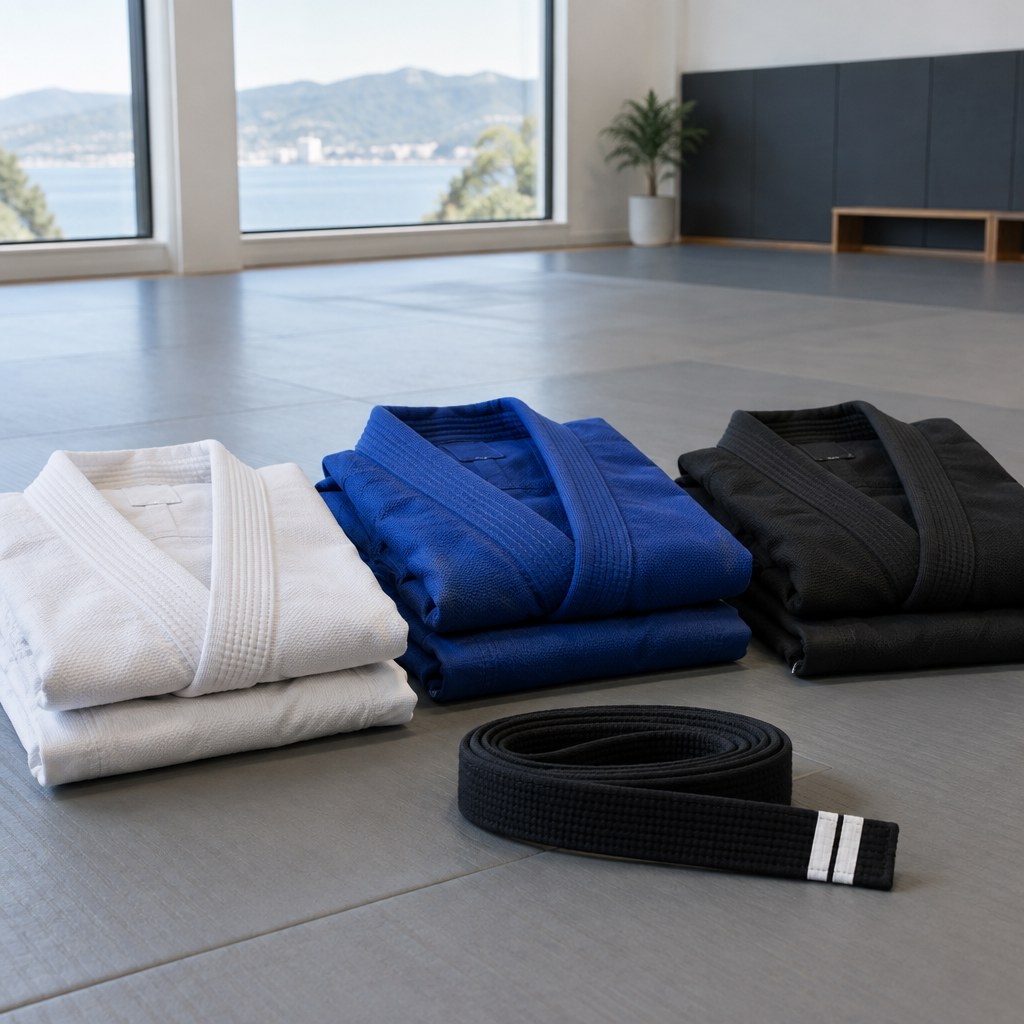
BJJ Gi Sizing Guide: Fit, Shrinkage and the Go Getter Gi Sizing System
One brand’s A2 fits perfectly and another makes you look like you borrowed your uncle’s dressing gown. Here is how to get the fit right without playing gi roulette.
BJJ gi sizing sounds simple until you discover that one brand’s A2 fits perfectly and another brand’s A2 makes you look like you borrowed your uncle’s dressing gown. This BJJ gi sizing guide explains how a gi should actually fit, what shrinkage can do to it, and how the Go Getter Gi sizing system is designed to take some of the guesswork out of buying a gi in New Zealand.
Many athletes struggle with inconsistent brand labels, unpredictable shrinkage, and unclear sizing systems, which often leads to gis that distract rather than support performance on the mats.
Why BJJ Gi Sizing Confuses So Many People
Unlike most sportswear, BJJ gis don’t follow a universal sizing standard. An “A2” from one brand can fit completely differently from an “A2” from another. Many sizing systems rely on broad height and weight ranges without accounting for body type, regional differences, or how gis actually behave after months of training and washing.
This leads to common frustrations:
- Sleeves that are too long or too short
- Pants that shrink unexpectedly
- Jackets that restrict movement
- Kids’ sizes that don’t match real growth patterns
For beginners, it makes buying a first gi more confusing than it needs to be. For experienced grapplers, it often means an expensive game of buying something, washing it once and discovering the sleeves have developed ambitions of becoming three quarter length.
Why Standard Gi Sizing Often Falls Short
Most gi sizing systems are designed for mass production, not individual athletes. Many are developed overseas and don’t always translate well to New Zealand body proportions or training environments.
Typical issues include:
- One-size-fits-most sizing logic
- Minimal guidance beyond a size label
- Little consideration for shrinkage over time
- Inconsistent fit across different gi models
When the sizing is wrong, you end up adapting to the gi instead of the gi doing its job. You have enough problems when somebody is trying to choke you without also fighting your own sleeves.
The Go-Getter Gi Approach to BJJ Gi Fit
Go-Getter Gi sizing was developed by practitioners who understand the demands of daily training, competition, and long-term durability. Instead of vague labels, our system prioritises consistency and transparency.
Our approach to BJJ gi sizing focuses on:
- Clear height and weight ranges
- Practical allowances for movement and longevity
- Consistency across product lines
- Fit that reflects real New Zealand athletes
The goal is pretty simple. Put the gi on, tie the belt and forget about it once the round starts. From warm ups to the last roll of the night, the fit should help you move rather than constantly reminding you that you bought the wrong size.
How to Use the Go-Getter Gi Size Guide Correctly
Choosing the right size starts with understanding how a gi is meant to fit and using a detailed BJJ gi size guide, not guesswork.
View the Go Getter Gi Size Guide
When selecting your size:
- Prioritise height first, then weight
- If you fall between sizes, think about your preferred fit (snug vs relaxed)
- Remember that cotton gis naturally soften and settle over time
- For kids, choose a size that fits now rather than “growing into” it
Our size guide is designed to remove uncertainty and help you step onto the mats confident in your gear.
Training Gi vs Competition Gi: Fit Considerations
While competition rules matter, most athletes spend far more time training than competing. A good BJJ gi fit should allow full range of motion, secure grips, and comfort across long sessions.
Go-Getter Gi balances both worlds by designing gis that:
- Move freely during training
- Maintain clean lines for competition legality
- Avoid excess material without feeling restrictive
If you’re wondering how a BJJ gi should fit, the answer is simple: it should disappear once you start rolling. When fit is right, you stop thinking about your gi and start focusing on your jiu-jitsu.
Common BJJ Gi Sizing Mistakes to Avoid
Even experienced practitioners make avoidable sizing mistakes. The most common include:
- Buying oversized gis “just in case”
- Assuming all brands size the same
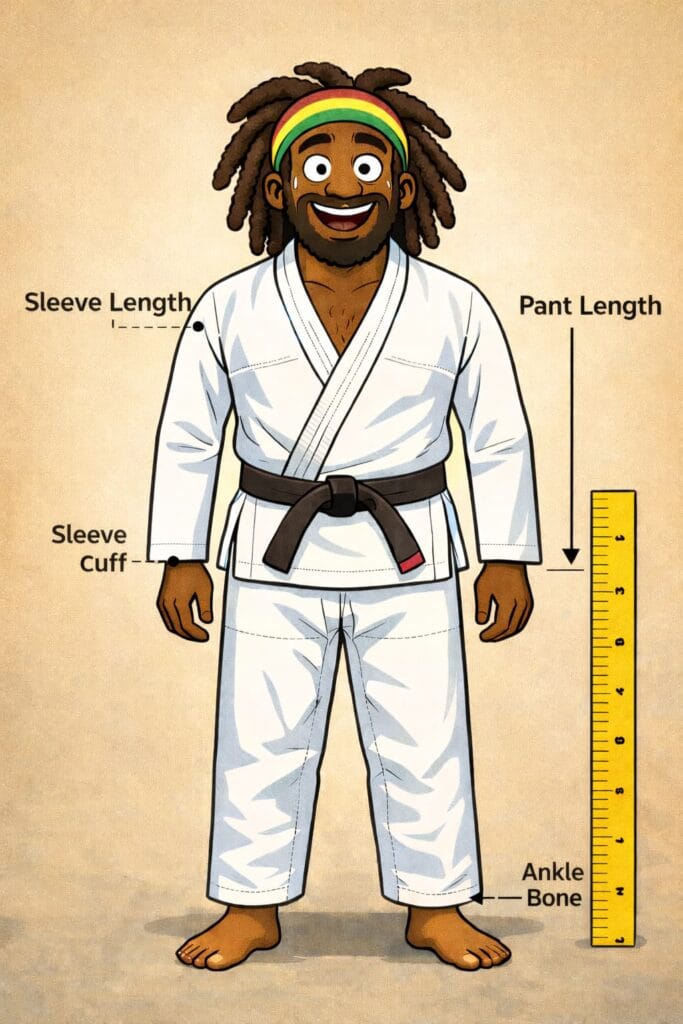
- Ignoring sleeve and pant length guidelines
- Over-drying and shrinking a well-fitting gi
- Guessing instead of checking a proper BJJ gi size guide
Avoiding these mistakes saves money and saves you from owning a perfectly good gi that somehow only fits the clothesline.
Choose Your Next Gi Guide
Got the fit sorted? Compare materials, check competition rules, or return to the complete buying guide.
Complete Buying GuideCompare Gi MaterialsCompetition Gi RulesFurther Reading